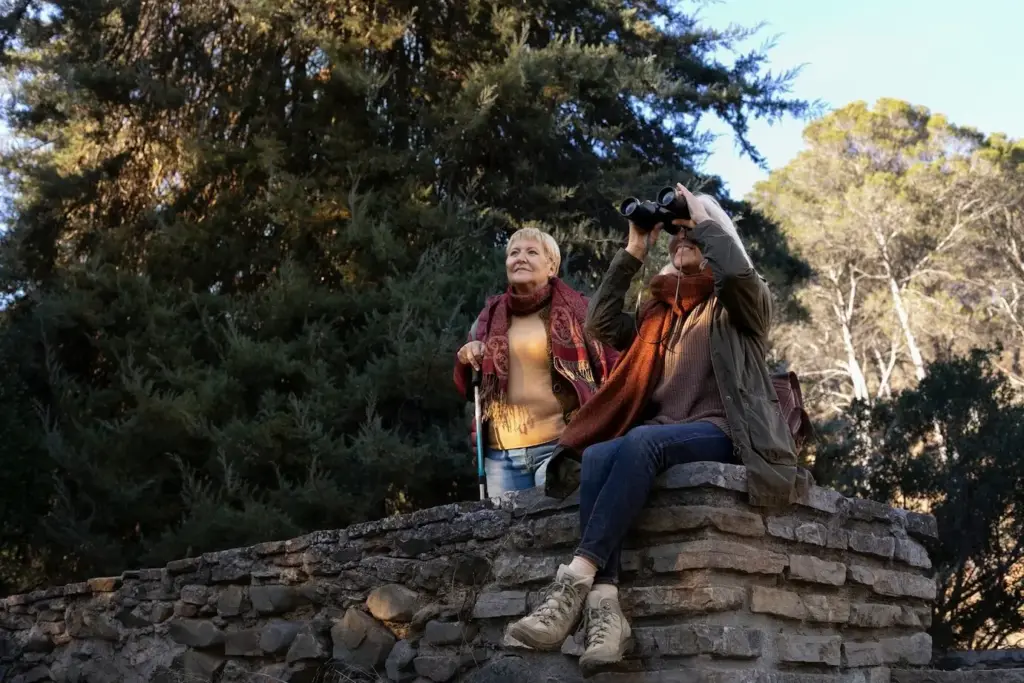
Small Quests, Big Growth for Midlife Explorers
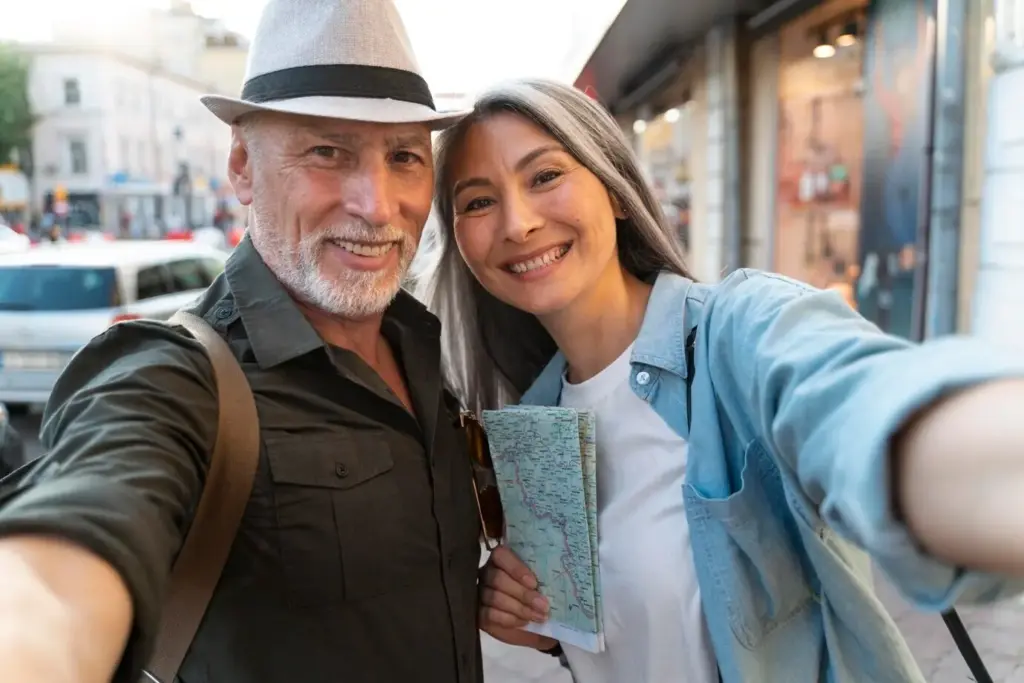
Today we dive into skill-building micro-adventures for midlife learners, blending navigation, photography, and first aid into short, energizing outings that fit real life. Expect practical drills, joyful curiosity, and gentle challenges that renew confidence without demanding huge time or expensive gear. You will discover how to read the land, notice compelling light, and respond calmly to mishaps, all within a lunch break or free evening. Bring a sense of wonder, a pocket notebook, and let’s start building skills that truly stick.

Mindset That Turns Free Afternoons Into Meaningful Discoveries

Micro-adventures thrive on constraints, intention, and playful experimentation. Instead of waiting for perfect conditions, we honor short windows, nearby spaces, and clear micro-goals that transform ordinary hours into powerful learning loops. Neuroscience favors novelty paired with manageable difficulty, which is why small, repeated challenges can sharpen attention while reducing overwhelm. Here you will learn to design satisfying sessions, celebrate incremental progress, and recover motivation quickly after mistakes. The result is momentum that respects responsibilities while still feeding your appetite for growth.

01

Start With Courageous Curiosity

Curiosity is a reliable compass when time is tight and expectations feel heavy. Ask generous questions about your surroundings, your energy, and your purpose for today’s outing. Aim within five kilometers: a riverside path, a hilltop, a new transit stop. Commit to noticing three unexpected details and writing them down. Small wonder unlocks attention, and attention unlocks learning. When you return, circle two reflections and one next step. Repeat weekly until courage becomes a habit disguised as curiosity.

02

Design Constraints That Spark Learning

Constraints create focus. Try ninety minutes, one lightweight kit, and a single skill priority. For navigation, identify three landmarks and practice accurate bearings between them. For photography, shoot five deliberate backlit portraits or reflections. For first aid, rehearse applying firm direct pressure and assembling a clean workspace. These boundaries reduce decision fatigue, invite playful iteration, and yield measurable improvement. End with a short after-action note summarizing what worked, what failed, and what tiny tweak could raise clarity next time.

03

Track Progress Without Pressure

Replace vague expectations with simple, compassionate metrics. Save one photo you genuinely value, even if imperfect. Note one navigation error you can clearly avoid next outing. Rehearse one first aid step until your hands remember. Use a small chart or calendar sticker to mark sessions completed, not perfection achieved. Celebrate consistency loudly and corrections quietly. Over weeks, your archive will reveal patterns, strengths, and blind spots, making improvement feel inevitable rather than heroic. Sustainable progress thrives on kindness and visibility.

Navigation Confidence You Can Trust When Plans Change

Real-world routes rarely behave. Clouds gather, paths fade, batteries drain, and conversations detour. Building confidence means using paper maps, compass basics, and smartphone tools as complementary allies rather than replacements. Learn declination, terrain association, and pacing, then add downloaded offline maps for resilience. On a foggy coastal path, I once relied on handrails and catching features to avoid a cliff edge while my phone struggled. That calm came from honest practice, not bravado. You can cultivate the same dependable steadiness.

Map and Compass Basics That Actually Stick

Begin by orienting your map to the landscape, aligning features with reality. Set compass declination correctly for your region so bearings remain trustworthy. Practice shooting a bearing to a visible object, walking deliberately, and confirming with handrails like fences or streams. Identify catching features that tell you when to stop. Note distance with pacing or time intervals. Repeat this simple drill three times in different light and wind. Skill grows when repetition meets curiosity, not when ego demands complexity.

Phone as a Partner, Not a Crutch

Your phone is immensely capable, yet fragile in cold, rain, and low signal. Download offline maps, carry a compact battery, and log a GPX track while keeping airplane mode on to conserve power. Learn to mark waypoints and read grid coordinates. Capture quick map screenshots for redundancy. When in doubt, pause and verify rather than blindly following the blue dot. The goal is a respectful partnership: your senses lead, your tools confirm, and your prudence keeps everything pleasantly uneventful.

Micro-Drills for Real-World Mistakes

We remember what we fix. Intentionally introduce small uncertainty in a safe area, then correct it on purpose. Walk a bearing slightly off, stop at a catching feature, resection using visible landmarks, and recalculate calmly. Time-box each cycle to maintain focus. Afterward, write a mini after-action review: what you planned, what happened, why it happened, and one adjustment. These rehearsals reduce panic when fog arrives or paths vanish, turning surprises into solvable puzzles rather than emergencies.

Light Walks at Dawn or Dusk

Golden and blue hours compress lessons into a forgiving mood. Choose a short loop, then study how side light sculpts faces and how backlight reveals edges in leaves or hair. Try a three-meter lighting exercise: subject, camera, and light moving independently while you observe shadow transitions. Nudge exposure compensation to protect highlights, noticing how reflections in windows behave. Capture one silhouette, one textured close-up, and one gentle portrait. The reward is teaching your eyes to anticipate rather than react.

Composition Games That Train the Eye

Turn framing into play. Begin with a five-photo sequence that tells a complete micro-story: establishing shot, character, detail, action, and reaction. Add constraints like one focal length or a two-minute limit per frame. Use leading lines, negative space, and symmetry breaks to guide attention without shouting. Step forward twice before zooming. Kneel or hold the camera overhead for fresh geometry. Review quickly and pick one frame that genuinely communicates a feeling. Games transform technique into muscle memory and delight.

Ethics, Consent, and Respect in Public Spaces

Technical skills shine brighter when paired with care. Ask permission for close portraits, explain your intent, and offer to share results. Be sensitive around children, private property, and moments of distress. Learn local regulations about tripods and restricted areas. If someone declines, thank them sincerely and move on. When photographing nature, leave habitats undisturbed and pack out everything you bring. Respect builds access, and access builds opportunity. Long-term projects thrive when trust is earned with humility and consistency.

Build a Pocket-Sized Kit That Earns Its Weight

Carry purposefully, not anxiously. A compact kit can include nitrile gloves, gauze pads, elastic bandage, triangular bandage, tape, antiseptic wipes, pain relievers, tweezers, a CPR face shield, and a tourniquet you genuinely know how to use. Store it in a bright pouch with a simple checklist. Review expiration dates quarterly. Keep the kit accessible, not buried under snacks. Knowing exactly where each item lives reduces hesitation, making useful response feel almost automatic when adrenaline tries to scramble thinking.

Rehearsed Actions Beat Perfect Knowledge

Perform tiny, frequent drills. Practice chest-compression depth and rhythm on a firm cushion while humming a steady song. Time how long you can sustain effective compressions, then rest and repeat. Rehearse applying firm, continuous pressure on simulated wounds using gauze and an improvised wrap. Role-play calm communication while assigning tasks to a bystander. Consider a local first aid or CPR certification to cement skills. When urgency arises, your hands will remember what your mind might temporarily misplace.

Planning Micro-Adventures That Fit Real Schedules
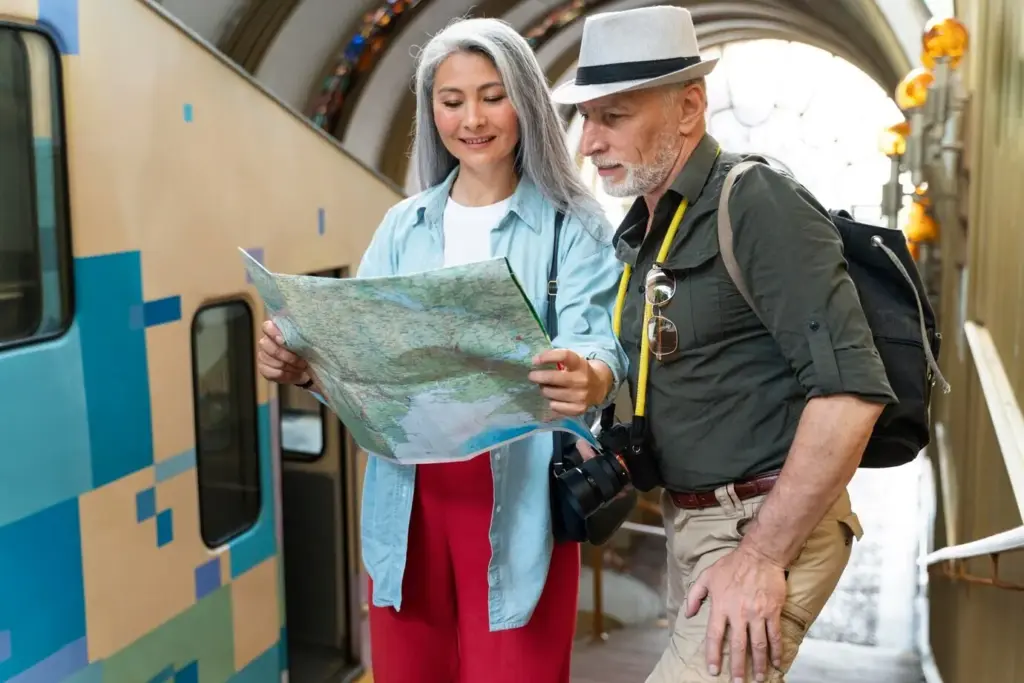
Good plans are humane plans. Choose routes that match your energy and calendar: sixty to one hundred twenty minutes, with clear bailouts and a comfortable pace. Check weather, daylight, and local guidelines, then pack only what supports today’s priority. Define success before you leave: two bearings nailed, one thoughtful portrait, one first aid drill rehearsed. Add a tiny reward afterward: tea, a phone call, or a song you love. When logistics feel kind, consistency becomes surprisingly easy and deeply satisfying.

Route Cards and Leave-Behind Plans

Write a simple route card listing start time, expected finish, checkpoints, and alternate exits. Include your phone number, clothing colors, and companions’ names. Share it with a friend who agrees on check-in windows and a clear overdue plan. This habit reduces worry for everyone while encouraging realistic pacing and thoughtful choices. It also teaches you to notice decision points before they arrive. Preparation is not pessimism; it is a practical kindness to your future self and the people who care.

Safe Solo, Better Together

Solo outings offer clarity and responsiveness; group outings amplify learning through shared roles and observations. Decide intentionally based on terrain, weather, and your comfort today. In pairs or trios, rotate navigator, photographer, and safety lead to keep everyone engaged. Establish simple communication signals: whistle blasts, raised poles, or hand signs. Debrief together afterward, celebrating smart adjustments rather than dramatic heroics. Over time, you will sense when solitude nourishes focus and when companionship multiplies insight, laughter, and resilient memory.

Community, Reflection, and Sustainable Momentum

Skills flourish when shared. Capture lessons in a simple log, trade insights with peers, and celebrate the human stories behind each outing. Create a monthly challenge that invites gentle competition and generous feedback. Organize photo critiques focused on intention rather than technical jargon. Host mini map quizzes at a park bench, followed by short first aid refreshers. If this resonates, subscribe for weekly prompts and reply with your wins and puzzles. Together we can fuel discipline with encouragement and curiosity.
Vaforotozokimoxe
Privacy Overview

This website uses cookies so that we can provide you with the best user experience possible. Cookie information is stored in your browser and performs functions such as recognising you when you return to our website and helping our team to understand which sections of the website you find most interesting and useful.